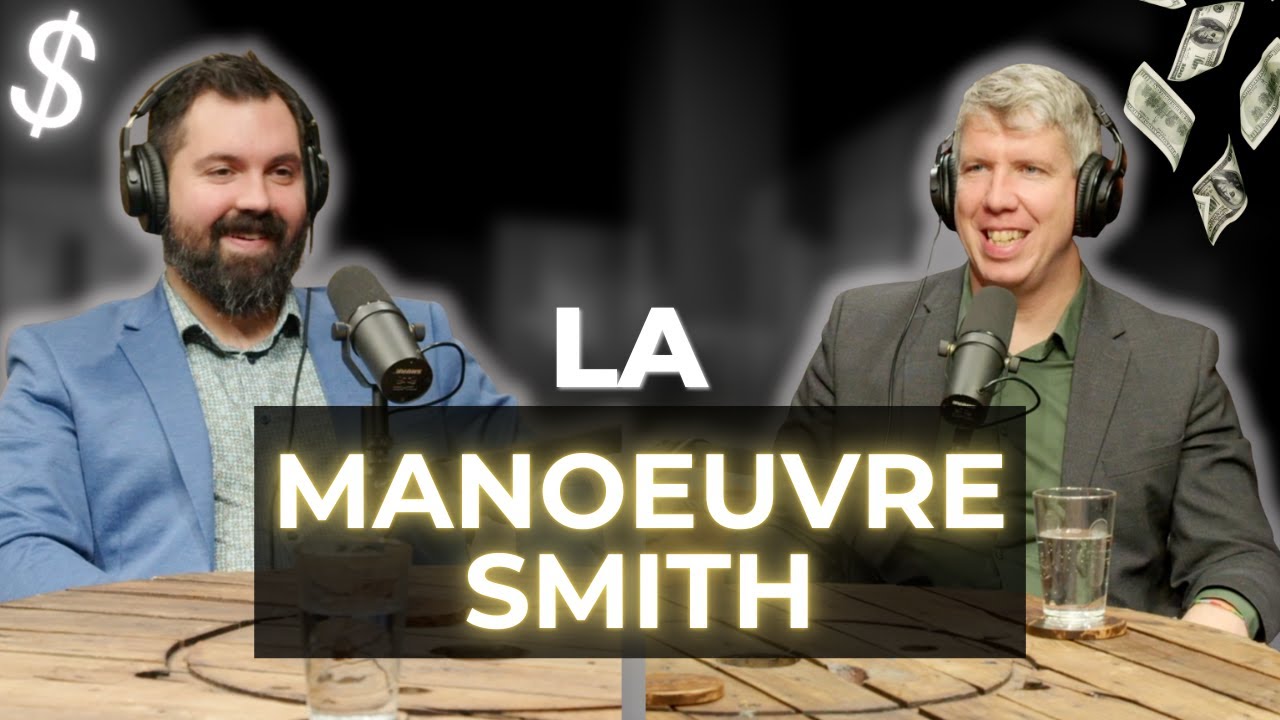
Coffee with YOUR broker with Samuel Tessier, investment advisor
Pierre-Alain St-Laurent Courtier Hypothécaire
When you're trying to master your money, everyone talks about strategies, market trends, and those shiny new investment fads popping up online. Our deep dive into personal finance with placement advisor Samuel Tessier explored everything from smart asset allocation to understanding new regulations and avoiding social media driven bubbles. Yet, what if the biggest hurdle isn't lacking knowledge, but something much more fundamental that even savvy investors often miss? It turns out, having a solid financial plan is only half the battle; the other, often overlooked, half is pure, unwavering discipline. Think about it: you know you should eat your veggies, but a donut just looks so much better sometimes. Investing is a lot like that. While understanding advanced concepts like asset allocation or diversification is absolutely key, actually *sticking* to your strategy through market highs and terrifying lows is incredibly tough for most of us. That's where a professional steps in, acting as your financial gym buddy, making sure you don't skip leg day — or, you know, panic-sell everything when things get a little bumpy. Without that external push, it's easy to get swayed by emotions, leading to knee-jerk decisions that can completely derail years of careful planning. Many people try to go it alone, confident they can match or beat the pros just by following online tips. They might focus too much on a single stock they "feel good" about, or get caught up in the hype around a hot industry without considering broader risks. This often leads to a "domestic bias," where you keep too much money in familiar local investments, or an over-concentration in just a few assets, like piling all your eggs into a single real estate basket. These choices, often driven by comfort or a perceived certainty, actually expose you to far greater risk than a balanced approach, quietly chipping away at your long-term wealth goals. An advisor isn't just about picking the right funds; they are the human firewall against your own worst financial impulses, helping you maintain a clear, diversified path. Ultimately, the real value of a great financial advisor goes beyond picking individual stocks or explaining complex regulatory shifts like OCRI and the upcoming CRM-3 transparency mandate. They bring a crucial, almost psychological element to your financial life: discipline. They help you stay committed to your long-term goals, preventing impulsive decisions that stem from fear of missing out or outright greed. They ensure your portfolio remains balanced, diversified, and perfectly aligned with your life's big milestones, from planning a comfortable retirement to helping your kids navigate homeownership. It’s less about trying to time the market perfectly and much more about ensuring your time *in* the market is steady and strategically guided. So, while understanding the nuts and bolts of finance is undeniably important, having a dedicated professional partner to keep your investment strategy firmly on track is truly where lasting wealth-building happens. Ready to dig deeper into holistic financial planning, avoiding common pitfalls, and navigating the sometimes-confusing world of Canadian investment with confidence?
The Real Reason to Hire a Financial Advisor: Discipline
When you're trying to master your money, everyone talks about strategies, market trends, and those shiny new investment fads popping up online. Our deep dive into personal finance with placement advisor Samuel Tessier explored everything from smart asset allocation to understanding new regulations and avoiding social media driven bubbles. Yet, what if the biggest hurdle isn't lacking knowledge, but something much more fundamental that even savvy investors often miss? It turns out, having a solid financial plan is only half the battle; the other, often overlooked, half is pure, unwavering discipline. Think about it: you know you should eat your veggies, but a donut just looks so much better sometimes. Investing is a lot like that. While understanding advanced concepts like asset allocation or diversification is absolutely key, actually *sticking* to your strategy through market highs and terrifying lows is incredibly tough for most of us. That's where a professional steps in, acting as your financial gym buddy, making sure you don't skip leg day — or, you know, panic-sell everything when things get a little bumpy. Without that external push, it's easy to get swayed by emotions, leading to knee-jerk decisions that can completely derail years of careful planning. Many people try to go it alone, confident they can match or beat the pros just by following online tips. They might focus too much on a single stock they "feel good" about, or get caught up in the hype around a hot industry without considering broader risks. This often leads to a "domestic bias," where you keep too much money in familiar local investments, or an over-concentration in just a few assets, like piling all your eggs into a single real estate basket. These choices, often driven by comfort or a perceived certainty, actually expose you to far greater risk than a balanced approach, quietly chipping away at your long-term wealth goals. An advisor isn't just about picking the right funds; they are the human firewall against your own worst financial impulses, helping you maintain a clear, diversified path. Ultimately, the real value of a great financial advisor goes beyond picking individual stocks or explaining complex regulatory shifts like OCRI and the upcoming CRM-3 transparency mandate. They bring a crucial, almost psychological element to your financial life: discipline. They help you stay committed to your long-term goals, preventing impulsive decisions that stem from fear of missing out or outright greed. They ensure your portfolio remains balanced, diversified, and perfectly aligned with your life's big milestones, from planning a comfortable retirement to helping your kids navigate homeownership. It’s less about trying to time the market perfectly and much more about ensuring your time *in* the market is steady and strategically guided. So, while understanding the nuts and bolts of finance is undeniably important, having a dedicated professional partner to keep your investment strategy firmly on track is truly where lasting wealth-building happens. Ready to dig deeper into holistic financial planning, avoiding common pitfalls, and navigating the sometimes-confusing world of Canadian investment with confidence?
The Danger of Getting Financial Advice from TikTok
Your Wallet Deserves More Than TikTok Swipe past the 'get rich quick' gurus on your feed – your future self will thank you for it. It's tempting to scroll TikTok and find someone promising millions from a 'secret' stock or crypto tip. But as sharp placement advisor Samuel Tessier warns, this online advice is often a dangerous trap for your finances. Chasing these flashy trends, he cautions, leads to risky paths, far from real financial goals. The real challenge isn't finding the next viral investment; it's spotting good advice amidst the noise. Social media 'experts' rarely offer the holistic, tailored approach your life demands. They can't possibly understand your full financial picture, your specific goals, or your risk tolerance in a short video. True financial planning considers everything from retirement to a first home or kids' education, with asset allocation tailored for you. Many people fall for common pitfalls, like putting all their eggs in one basket – too much real estate – or getting swept up by the latest investment fad, driven by fear of missing out (FOMO). That's where a professional advisor helps you diversify smart and stay disciplined, much like a coach guides an athlete. You wouldn't trust a random internet stranger to babysit your pet, so why trust them with your hard-earned money and future? Real financial wisdom isn't a quick fix or a meme. It's built on strategic asset allocation, smart diversification, and a consistent, disciplined approach over time. Open conversations about money within families make a huge difference, setting everyone up for long-term success. Teaching kids early about finances also builds a solid foundation for their future, far better than any viral challenge. Good news for investors: new regulations like CRM-3 are on the horizon, bringing greater transparency to advisor fees. Soon, you'll see exactly what you pay your advisor in clear dollar amounts, empowering you to make informed choices. This shift moves you away from guesswork, towards decisions backed by professional guidance, ensuring a robust plan for the long haul. So, next time you're tempted by a financial 'hack' from your phone, remember that your future is worth more than a trending soundbite. For real, grounded advice that helps build your future and avoids costly pitfalls, dive into the full conversation with Samuel Tessier.
A New Rule Will Finally Show You Your Advisor's Real Fees
Your Advisor's Fees, Made Clear Getting your money right often feels like navigating a maze, especially when it comes to understanding what you actually pay for financial advice. Good news: a major regulatory shift is actively changing how you see what you pay your financial advisor. Soon, you won't just see a percentage on your statement; you'll get a clear dollar figure for every service you receive. This isn't a small tweak; it's a significant move designed to put more power and clarity directly into your hands as an investor. It helps you grasp the true cost of advice and make smarter, informed choices for your financial future. Think about it: for years, many of us saw a 1% or 1.5% fee on statements and didn't truly grasp how much that added up in real cash. Now, imagine seeing that 1% translated into "$1,500" or "$5,000" staring back at you. Suddenly, that number feels much more real, doesn't it? It’s like finally seeing the receipt for that "free" streaming service that auto-renewed. This transparency pushes advisors to clearly show their value, making sure they're working for your best interest. You can better weigh if their advice aligns with your payment. This important change is part of a wider regulatory push for higher standards and for all investors to be fully informed. It genuinely backs a holistic approach to planning, where advisors actively focus on your specific life goals – whether that's planning for retirement, saving for a home, or setting up your kids for financial success – rather than just pushing certain products. This also helps you avoid common pitfalls, like concentrating too much wealth in one asset or chasing every fleeting online investment trend. With clearer fees, you can confidently compare different services and pick an advisor who's a true, trusted partner. This shift makes it harder for mediocre advice to hide and empowers you to demand top-tier service. Understanding these updates is crucial for taking charge of your financial journey. To learn more about avoiding investment mistakes and building a solid financial plan, make sure to check out the full conversation.
Why Talking About Money Is Still So Taboo
Break the Money Silence It's one thing to grasp complex investment strategies and market trends, but it's an entirely different challenge to actually talk about your own money with others. While a podcast explores smart financial moves and common pitfalls, it powerfully highlights a deeper, more pervasive obstacle: the enduring taboo around discussing personal finances, which impacts everything from everyday budgeting to major life goals. This financial silence isn't just a quirky social habit; it's a significant barrier to both individual financial growth and the health of our most important relationships. Many people find it incredibly difficult to open up about their financial realities, whether celebrating a success or admitting a struggle, making candid discussions feel like navigating a minefield even with a spouse or close family member. Couples, for instance, often start from vastly different financial backgrounds and carry contrasting ideas about spending or saving, leading to silent friction that can undermine long-term planning. This widespread reluctance to discuss money frankly has profound drawbacks, preventing us from learning valuable lessons from others' experiences, both positive and negative, and stifling opportunities for collective wisdom. Moreover, it actively hinders our ability to align financial goals with those closest to us, making shared dreams like securing a down payment for a home or funding a child’s education unnecessarily harder to achieve when communication is absent. Overcoming this deeply ingrained taboo demands conscious effort and a willingness to embrace vulnerability, often benefiting greatly from external support. An expert advisor, for example, frequently serves as a crucial neutral third party, skillfully facilitating these delicate conversations and creating a safe, judgment-free space for honest dialogue between partners or family members. They don't just provide sophisticated investment advice; they help bridge communication gaps, ensuring everyone is on the same page and actively participates in shaping a unified financial journey. If you’re ready to finally break your own money silence and discover how open communication can truly transform your financial path, building stronger relationships alongside a more secure future, make sure to check out the full discussion for more invaluable insights.
Asset Allocation: The Most Important Thing You're Ignoring
You want to grow your money without spending all day tracking the latest market hype, right? The secret isn't picking the next hot stock everyone's buzzing about, but something much more foundational and, frankly, way less stressful. Forget what you see on social media; true investment success isn't about chasing every crypto fad or betting big on a single company like it’s a lottery ticket. Many believe becoming a savvy investor means finding that one breakout stock or perfectly timing the market. This "stock-picking" mindset, while thrilling for some, often leads to unnecessary stress, impulsive decisions, and missed opportunities. You might feel the pressure to constantly monitor trends, risking your hard-earned cash on speculative moves that can vanish as quickly as they appear, leaving you wondering why you even bothered. Professional advisors, in contrast, steer clear of this gamble. Here's the punchline: real financial pros focus on *asset allocation*. Simply put, it's how you divide your investment pie across different categories – think a smart mix of stocks, bonds, real estate, or other stable assets. This isn't about obsessing over whether Google or Apple will perform better next quarter; it's about structuring your entire portfolio based on *your* unique life goals, whether that’s saving for retirement, a down payment on a first home, or your kids’ education. It’s like building a balanced meal instead of just gorging on dessert; you need a thoughtful mix to stay healthy and strong long-term. Getting your asset allocation right means you create a resilient financial plan tailored just for you, accounting for your risk tolerance and timeline. This thoughtful spread of your investments helps cushion the blow when one part of the market dips, protecting you from volatile swings and the dreaded FOMO – that "fear of missing out" that drives so many bad decisions. A well-diversified portfolio means you’re not putting all your eggs in one basket, a common mistake often made by those chasing quick wins or concentrating too much wealth in a single asset like real estate. It’s a strategy for steady, sustainable growth, prioritizing discipline and a long-term outlook over momentary thrills and speculative fads. This personalized approach is what truly empowers you to navigate complex financial waters, leaving the frantic stock-picking to the amateurs. So, if you’re serious about building lasting wealth, stop scrolling for stock tips and start thinking about your allocation strategy. It's the silent superpower of smart money.